



Data collection
The three main deployments of the Wave in Ice Observing System (WIIOS) were during the second Sea Ice Physics and Ecosystem Experiment (SIPEX II), the Polynyas Ice Production and seasonal Evolution in the Ross Sea (PIPERS) expedition and the 61st Japanese Antarctic Reserach Expedition (JARE61). The Interactive map below shows the deployment locations and tracks of the WIIOS units. Hover over markers to see buoy tracks. Click markers for deployment information and data downloads.
The second Sea Ice Physics and Ecosystem Experiment (SIPEX II)
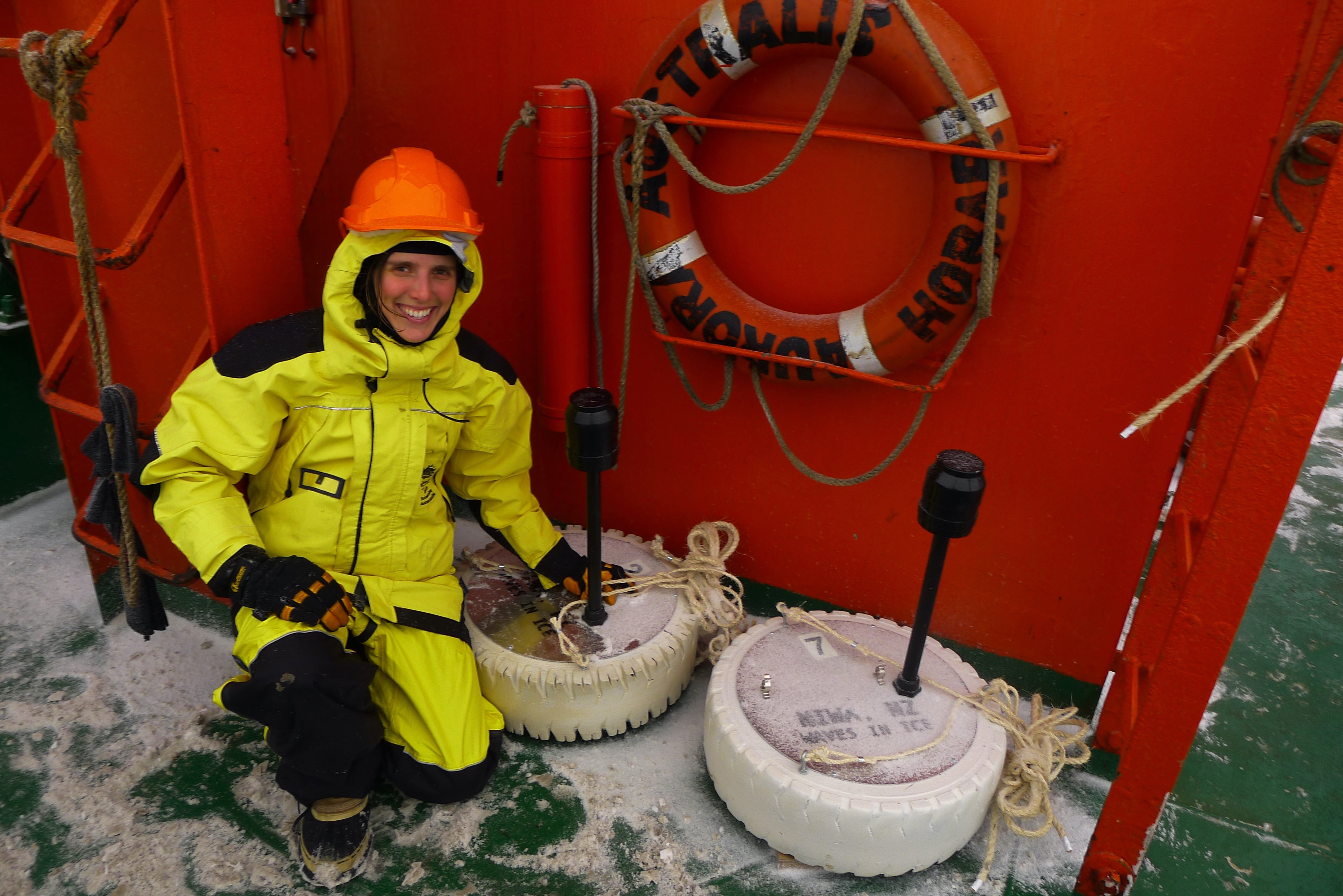
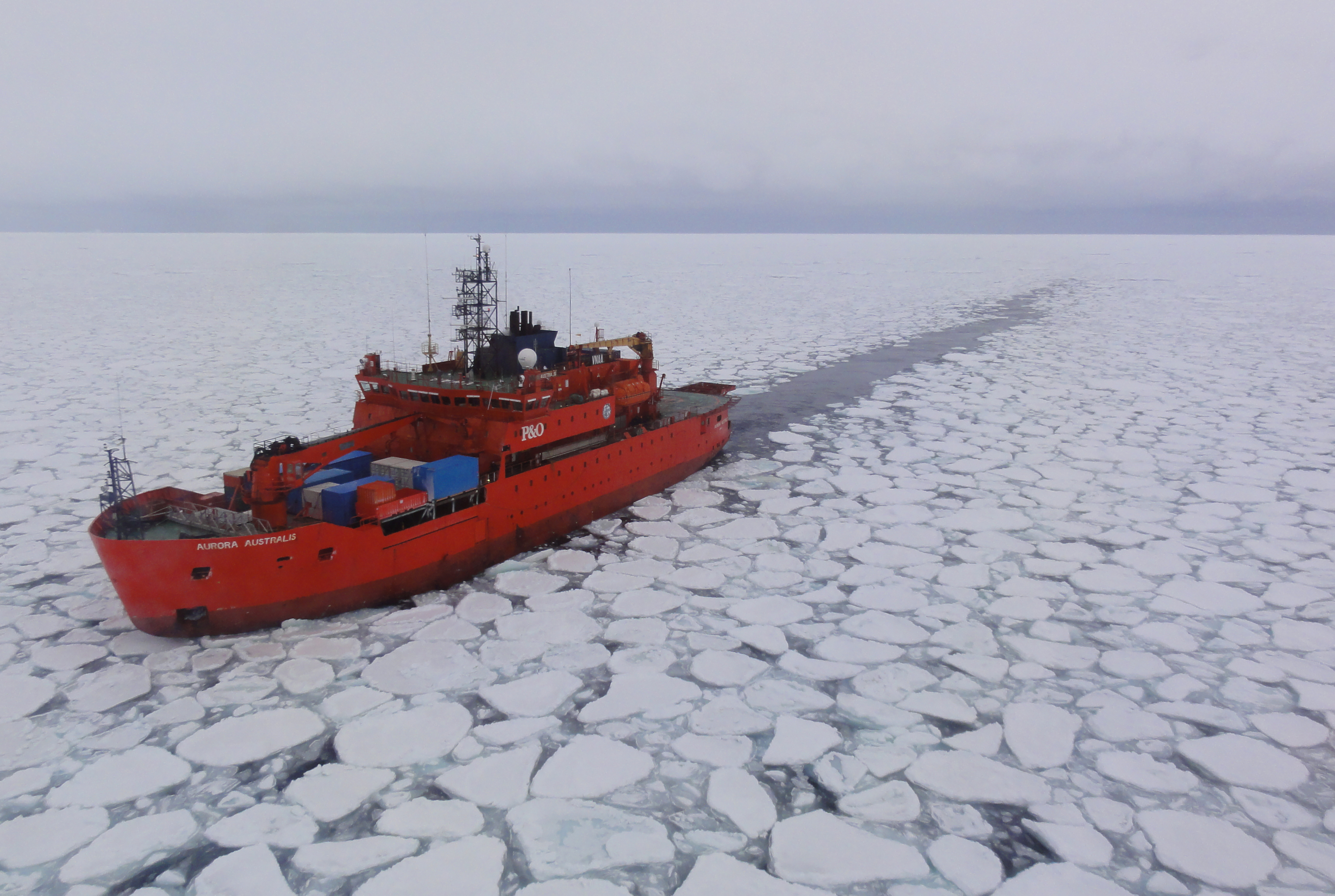 The WIIOS were deployed on East Antarctic sea ice from the
RV Aurora Australis during the Australian-led second Sea Ice Physics
and Ecosystem Experiment (SIPEX II). The purpose of SIPEX II was to
investigate relationships between the physical sea ice environment,
marine biogeochemistry and the structure of Southern Ocean ecosystems.
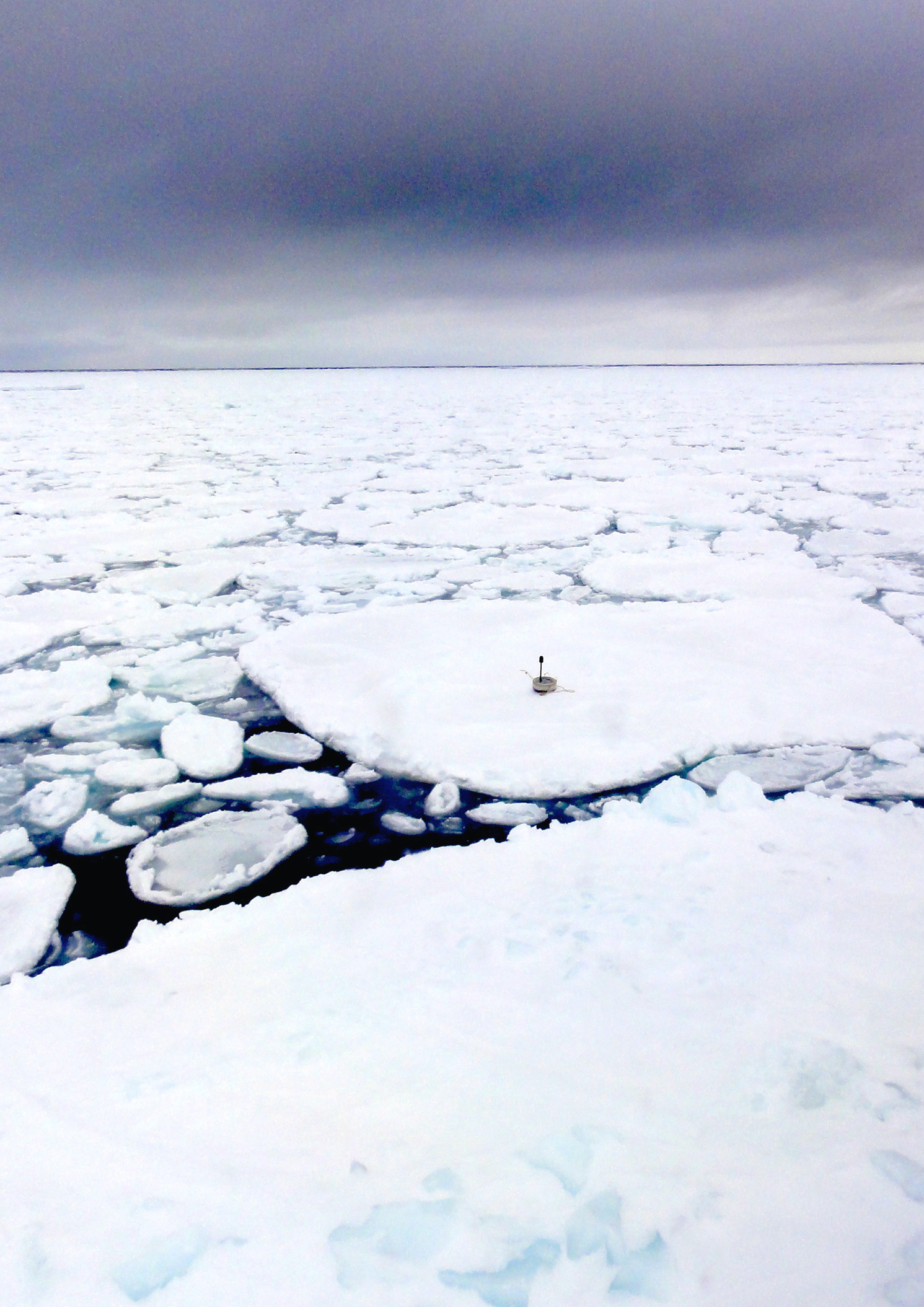
Upon entering the pack-ice zone, five WIIOS were deployed on the sea ice
along a meridional transect line.
Every three hours, the WIIOS simultaneously woke and recorded wave accelerations
for 34 minutes.
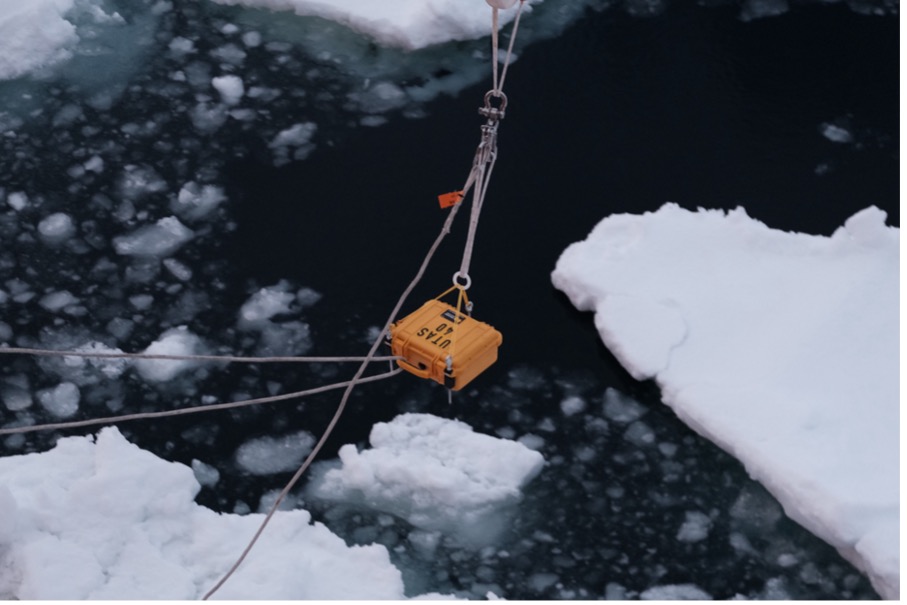
On 23 Sep 2012, three WIIOS were deployed via a helicopter hovering approximately
2 m above the floe.
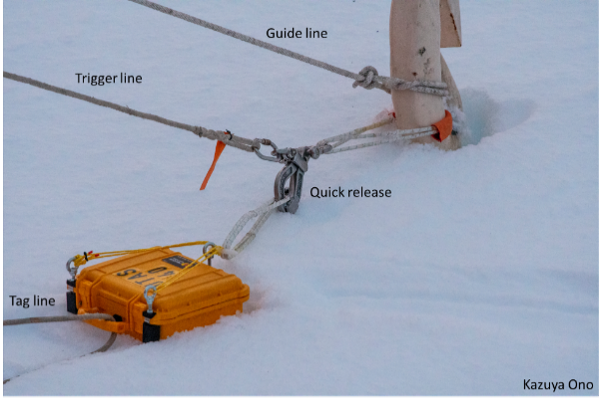
The remaining WIIOS were deployed via the RV Aurora Australis aft 7 tonne crane.
This was achieved in high winds (up to 25 m/s) and 2 - 3 m swell.
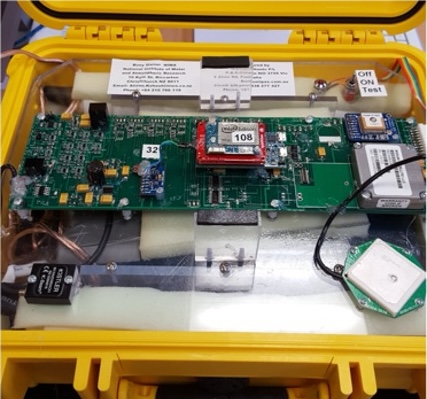
Each WIIOS performed on-board data quality control and spectral analysis before returning the wave spectrum via satellite.
The WIIOS were deployed on East Antarctic sea ice from the
RV Aurora Australis during the Australian-led second Sea Ice Physics
and Ecosystem Experiment (SIPEX II). The purpose of SIPEX II was to
investigate relationships between the physical sea ice environment,
marine biogeochemistry and the structure of Southern Ocean ecosystems.
Upon entering the pack-ice zone, five WIIOS were deployed on the sea ice
along a meridional transect line.
Every three hours, the WIIOS simultaneously woke and recorded wave accelerations
for 34 minutes.
On 23 Sep 2012, three WIIOS were deployed via a helicopter hovering approximately
2 m above the floe.
The remaining WIIOS were deployed via the RV Aurora Australis aft 7 tonne crane.
This was achieved in high winds (up to 25 m/s) and 2 - 3 m swell.
Each WIIOS performed on-board data quality control and spectral analysis before returning the wave spectrum via satellite.
More information, data downloads and publication links can be found on
Mendeley.
The Polynas Ice Production and seasonal Evolution in the Ross Sea (PIPERS)
To improve our understanding of wave attenuation processes, we conducted another
wave-ice experiment during the Polynyas, Ice Production, and seasonal Evolution in the
Ross Sea (PIPERS) expedition in 2017.
The experiment design was very similar to the SIPEX-II experiment except that we deployed
14 WIIOS (14 relative to 5) and the WIIOS generally survived much longer.
As a result, we have a significantly larger dataset to analyse (over 23 000 wave records
compared to just 268 during SIPEX-II).
In addition to the larger size of the dataset, two other key differences are the location
of deployment and time of year the WIIOS were deployed.
SIPEX-II was a spring experiment in East Antarctica during the season of ice melt and retreat.
PIPERS was an autumn experiment during the sea-ice growth period in the Ross Sea.
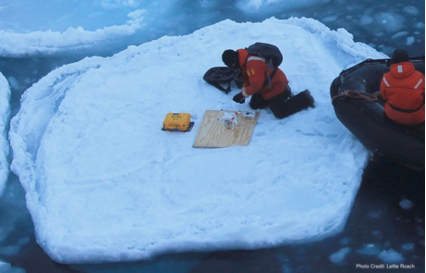
The majority of units were deployed via crane, but a handful were deployed via Zodiac where
ice cores were taken along with drone imagery.
More information, data downloads and publication links can be found on
Mendeley.
The 61st Japanese Antarctic Research Expedition (JARE61)
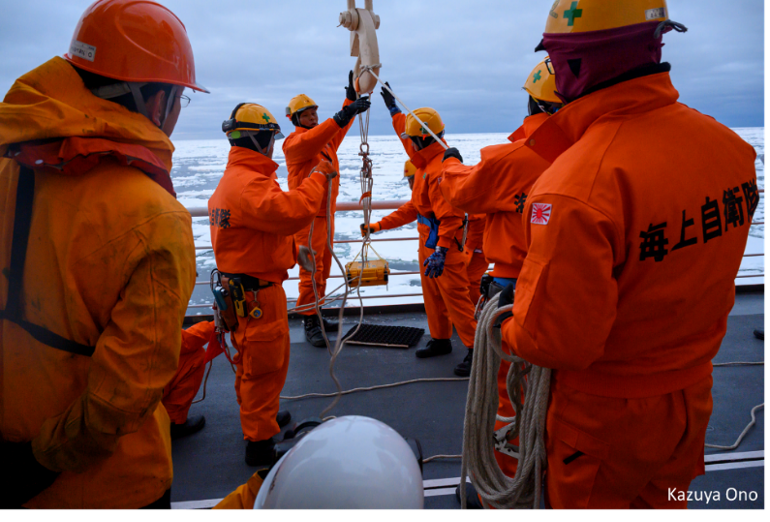
We had an opportunity to deploy more buoys during the 61st Japanese Antarctic
Research Expedition (JARE-61). This time we returned to East Antarctica, but
during the 2019/20 summer season instead of spring. These buoys survived a
surprisingly long time given they were deployed on summer sea ice. All units
were deployed via crane.
More information, data downloads and publication links can be found on
Mendeley.